


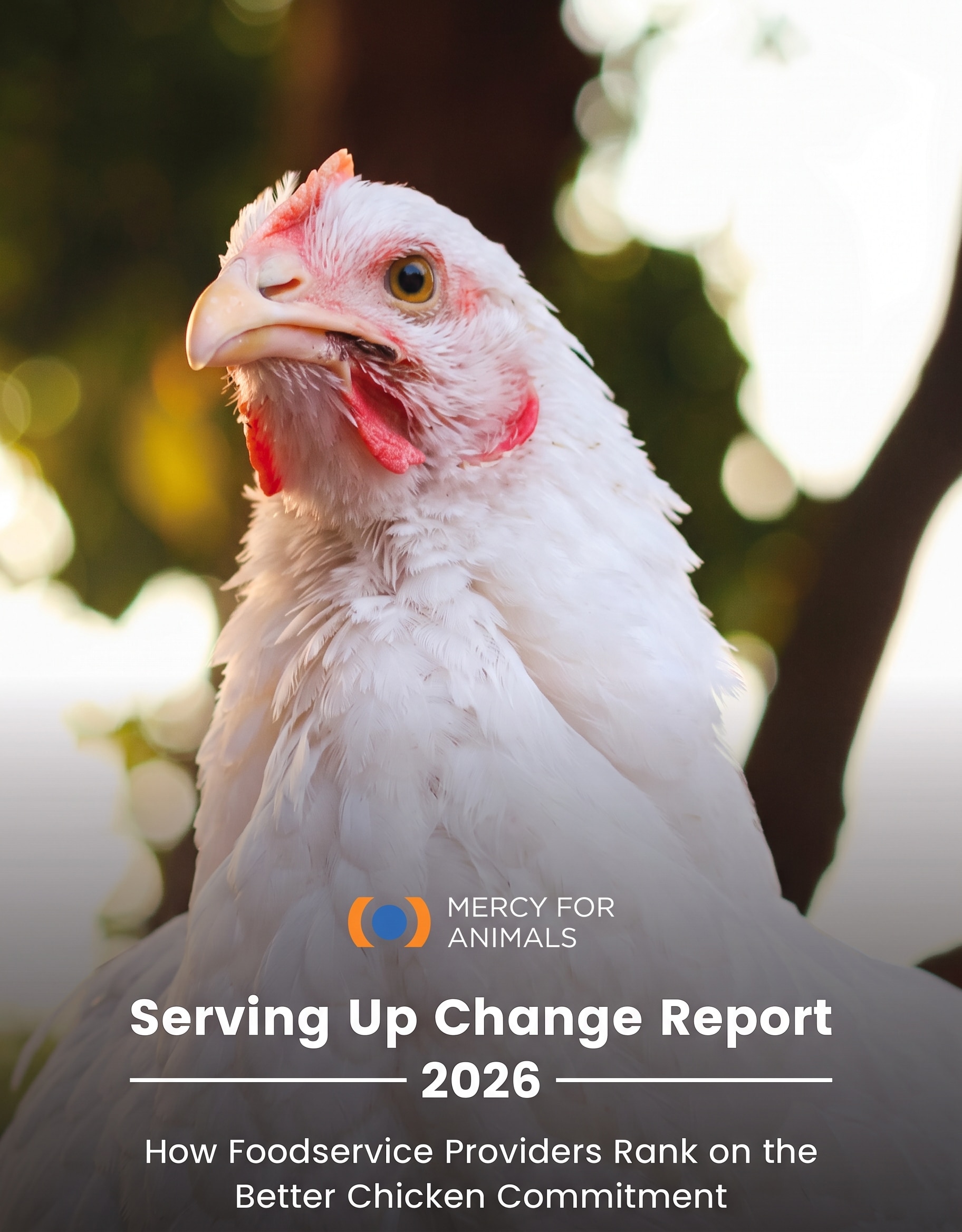
The Serving Up Change Report

How Foodservice Providers Rank on Chicken Welfare

The U.S. foodservice provider (FSP) sector is a $78.5 billion industry in North America that provides billions of meals annually to institutions like universities, hospitals, corporations, and schools. As a result, FSPs wield immense power over the lives of factory-farmed animals. The Serving Up Change Report assesses FSPs’ progress on policies aligned with the Better Chicken Commitment (BCC), a set of science-based standards crucial for improving the welfare of chickens raised for meat. Find out who’s leading the way and who’s falling behind.
Download the Report
Urge those falling behind to accelerate their chicken welfare progress.

Mercy For Animals’ Serving Up Change Report:

  • Of the 27 FSPs evaluated, 7 have reported progress and 10 have published roadmaps.
  • BCC policies and implementation range from progressive to negligent.
  • Concrete action is key—larger FSPs, like Compass Group USA, Aramark, and Sodexo, must prioritize higher-welfare breeds and less cruel slaughter.

Accountability Served: How Companies Perform

The 2026 Serving Up Change Report highlights varied BCC progress across the North American FSP sector. Lessing's exceeded multiple BCC targets for a second consecutive year, HHS released a time-bound roadmap, and Quest Food Management Services published a non-commodity chicken roadmap with a commitment to release its first progress update by late 2026.

In contrast, Thomas Cuisine, Genuine Foods, NextDine, and Healthcare Services Group have failed to report progress while industry giants like Compass Group USA, Aramark, and Sodexo continue to fall short on the most impactful chicken welfare standards.
View the 2025 Report 

VIEW THE FULL 2026 REPORT

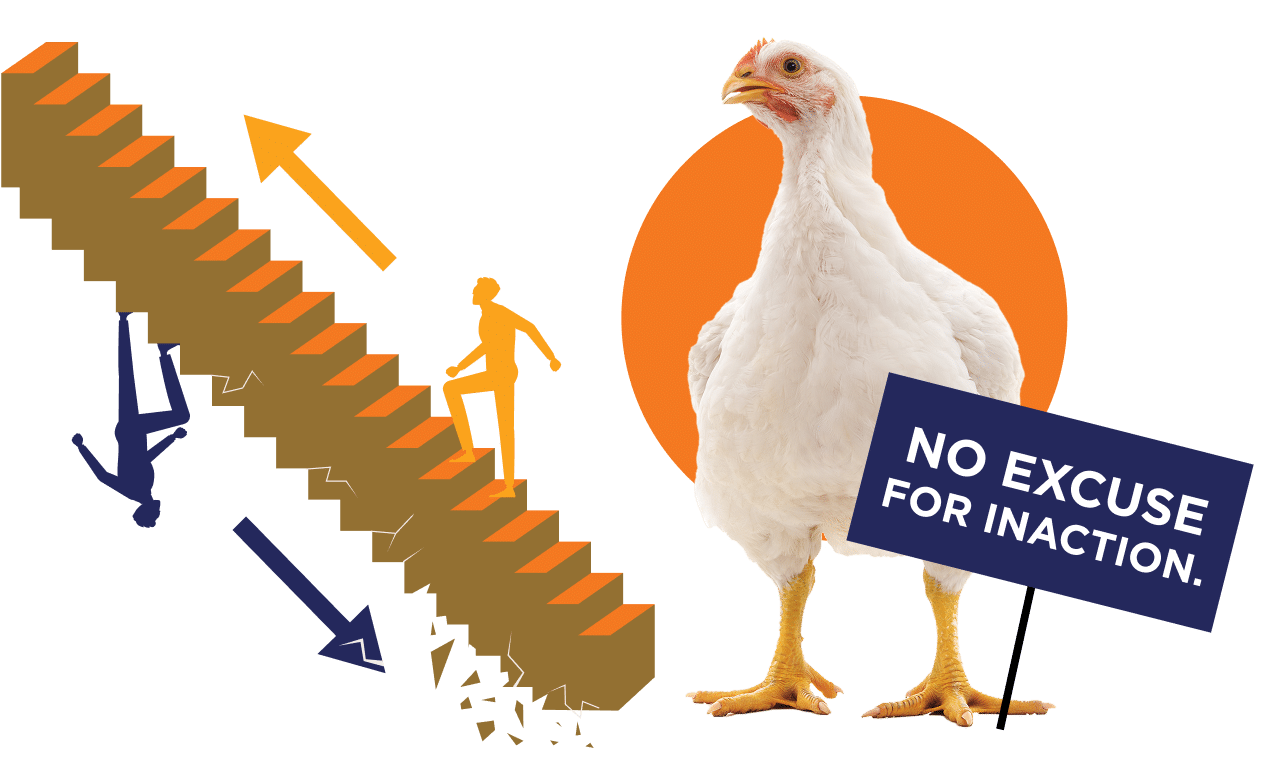
Inaction is no longer defensible.

FSPs that fail to progress on BCC policies risk falling behind, while those advancing build reputation and trust.

Every Piece Matters for Advancing Chicken Welfare

The BCC sets science-based solutions for reducing farmed chicken suffering, such as sourcing higher-welfare breeds and improving living environments. FSPs can drive change by actively engaging suppliers, seeking consistent progress on individual BCC components, and securing contracts for sourcing higher-welfare breeds. Meaningful advancement is essential to reducing animal suffering and meeting rising stakeholder expectations for better animal welfare.
Ask the Poorest Performers to Do Better

FSPs’ level of action should match the urgency of the problem.

  • Over nine billion chickens are raised for meat in the U.S. annually.
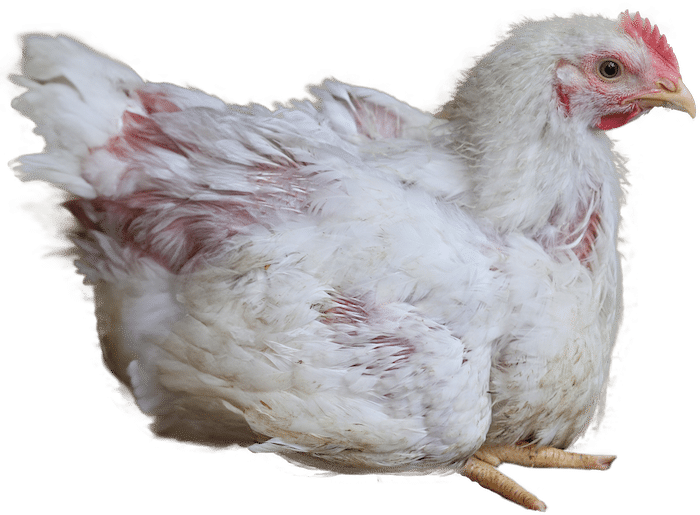
  • Birds are unnaturally bred, crowded, and brutally slaughtered.
  • If FSPs act, millions of chickens would benefit each year.

Tell Foodservice Providers: Big Promises Mean Nothing Without Bold Action

TAKE ACTION

Become a Hen Hero and join a community of dedicated advocates who take quick actions to help suffering animals.